
Repetitive Use Injuries: When Years of Doing the Same Job Become a Disability
Most people think workers’ compensation begins with an accident, like in a fall or a lifting injury, but some of the most disabling injuries we see at Powell & Denny did not happen in a single moment. They happened one motion at a time.
One cut.
One lift.
One patient.
One turn of a wrench.
One chicken on a processing line.
Repeated hundreds of times each day…thousands of times each month…and often millions of times over the course of a career.
These are known as repetitive use injuries, and under Alabama law they may qualify for workers’ compensation benefits. In some cases, they may also become severe enough to support a claim for Social Security Disability benefits.
What Is a Repetitive Use Injury?
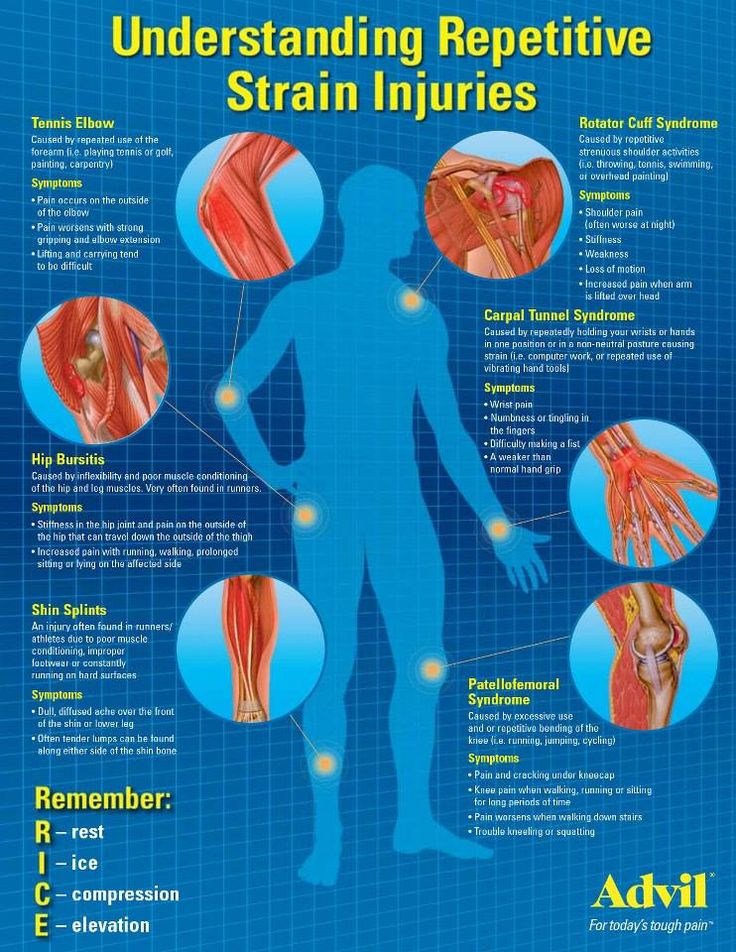
Unlike a traumatic injury, repetitive use injuries develop gradually. Instead of one accident causing damage, the body’s muscles, tendons, ligaments, joints, and nerves slowly begin to fail after years of performing the same physical activities.
Common examples include:
- Carpal tunnel syndrome
- Cubital tunnel syndrome
- Trigger finger
- Tendinitis
- Tennis elbow (lateral epicondylitis)
- Golfer’s elbow (medial epicondylitis)
- Rotator cuff tears
- Shoulder impingement syndrome
- Meniscus degeneration from years of kneeling
- Degenerative disc disease aggravated by repetitive lifting
Some workers are surprised to learn that these conditions may be covered even though there was never a single “accident.”
Recommended Reading: What Is an Occupational Disease Under Alabama Workers’ Compensation Law?
“It’s Just Wear and Tear.”
This is one of the most common reasons insurance companies deny repetitive trauma claims. Workers are frequently told “You’re getting older” or “It’s just arthritis.” The message they are really trying to convey is “This isn’t from work.”
That is not necessarily what Alabama law says.
The important question is often much simpler: Could you perform your job before years of repetitive work finally caught up with you?
If your work activities aggravated an underlying condition or contributed to your disability, Alabama workers’ compensation law may still provide benefits.
Recommended Reading: It’s Just Wear and Tear: Can Alabama Workers’ Compensation Deny My Claim Because of Arthritis or Degeneration?
Repetitive Trauma Often Leads to Permanent Restrictions
Many repetitive injuries improve with conservative treatment, others require surgery-sometimes multiple surgeries.
Unfortunately, surgery does not always restore normal function.
Workers may be left with permanent restrictions such as:
- no repetitive gripping
- no forceful grasping
- no repetitive overhead reaching
- limited lifting
- no vibratory tools
- limited pushing or pulling
- no repetitive bending
- frequent position changes
These restrictions may permanently prevent a worker from returning to the only occupation they have ever known.
Recommended Reading: What Do Permanent Work Restrictions Mean in Workers’ Compensation and Social Security Disability Cases?
Carpal Tunnel Syndrome Isn’t Always “Just Carpal Tunnel”
Carpal tunnel syndrome is one of the best examples of why repetitive injuries should never be underestimated. Oft times workers think “It’s just my wrist,” but advanced carpal tunnel can produce:
- permanent numbness
- weakness
- loss of grip strength
- loss of pinch strength
- decreased sensation
- muscle wasting
- difficulty manipulating small objects
After multiple surgeries, some workers are never able to return to production work again. When both hands are involved, the vocational consequences can become enormous.
Recommended Reading: How Hand and Wrist Injuries Affect Alabama Workers’ Compensation and Social Security Disability Claims
Grip Strength Matters More Than Most People Realize
One of the most important findings during a Functional Capacity Evaluation (FCE) is often grip strength.
Grip strength affects far more than lifting. It affects your ability to:
- carrying
- grasping
- pushing
- pulling
- opening containers
- using hand tools
- typing
- writing
- handling small objects
Social Security recognizes that many sedentary jobs require frequent bilateral handling and fingering, which is something most people don’t really think about-which is strange as Reaching, handling, fingering, and feeling are not minor abilities—they are basic work functions required in nearly every occupation.
A worker who loses the effective use of both hands may have difficulty performing even sedentary employment.
Recommended Reading: Why Grip Strength Matters in Workers’ Compensation and Social Security Disability Claims
Recommended Reading: Why Reachig, Handling, Fingering and Feeling Matter in Alabama Workers’ Compensation and Social Security Disability Claims
Sometimes a Small Injury Becomes a Whole-Body Problem
Repetitive trauma injuries do not always remain confined to one body part. For example:
A worker develops carpal tunnel syndrome. After surgery they develop chronic nerve pain, the chronic pain affects concentration; medication causes drowsiness. Grip strength continues to deteriorate.
Now the worker cannot safely operate machinery.
What began as a wrist problem has become a body-as-a-whole vocational problem.
Likewise, years of repetitive kneeling may begin as a knee injury but later produce:
- altered gait
- hip pain
- back pain
- chronic pain syndrome
The body functions as one interconnected system, and one injury often leads to another.
Recommended Reading: Can a Scheduled Injury Become a Body-as-a-Whole Injury?
Recommended Reading: How does an Altered Gait Affect my Claim for Alabama Workers’ Compensation and Social Security Disability Benefits?
Recommended Reading: How the Side Effects of my Mediation can Affect my Alabama Workers’ Compensation and Social Security Disability Claims
Repetitive Trauma Can Lead to Permanent Nerve Damage
One of the greatest concerns with repetitive use injuries is permanent nerve injury.
Compressed nerves can eventually suffer irreversible damage; permanent nerve damage may produce:
- burning pain
- numbness
- tingling
- weakness
- muscle atrophy
- reduced dexterity
- loss of coordination
Unlike a simple muscle strain, permanent nerve damage often cannot be cured, so treatment frequently focuses on symptom management rather than restoration of function.
Recommended Reading: Permanent Nerve Damage: Why It Matters in Workers’ Compensation and Social Security Disability Claims
When Repetitive Injuries Prevent You From Returning to Work
One of the biggest misconceptions injured workers have is believing that if workers’ compensation pays for surgery, everything returns to normal.
Unfortunately, that is not always what happens.
A poultry worker may never regain sufficient grip strength.
A welder may no longer safely use heavy tools.
A nurse may no longer be able to transfer patients.
A mechanic may lose the ability to use impact wrenches.
A construction worker may no longer tolerate repetitive overhead work.
When a worker cannot return to the job they have performed for decades, the legal issues become much larger than the original diagnosis.
Vocational considerations may include:
- permanent restrictions
- age
- education
- transferable skills
- earning capacity
- reasonably suitable employment
These same vocational factors are often critical in Social Security Disability cases.
Recommended Reading: What Happens If I Can’t Return to My Job After a Work Injury? Workers’ Compensation and Social Security Disability Explained
Recommended Reading: What Is Reasonably Suitable Employment?
Repetitive Injuries and Social Security Disability
Not every repetitive injury results in disability. Many workers recover and successfully return to work, but some cannot.
Social Security looks beyond the diagnosis itself. Instead, it asks: Can this individual perform full-time work on a sustained basis?
That analysis often includes:
- lifting ability
- standing and walking
- grip strength
- handling
- fingering
- reaching
- postural limitations
- concentration
- medication side effects
- age
- education
- transferable skills
For older workers—particularly those with physically demanding work histories—a combination of permanent restrictions and vocational factors may ultimately support an award of disability benefits even when the person does not meet a specific Listing.
Recommended Reading: How Age Affects Your Claim for Benefits
Recommended Reading: Why Postural Restrictions are so Important
Repetitive use injuries rarely receive the attention they deserve. Because they develop gradually, workers sometimes dismiss their symptoms as “just getting older,” while insurance companies often characterize them as nothing more than “wear and tear.” But years of repetitive work can permanently damage muscles, tendons, joints, and nerves. What begins as occasional numbness, shoulder pain, or knee discomfort may eventually require surgery, result in permanent work restrictions, or prevent a worker from returning to the only occupation they have ever known.
Whether your repetitive injury involves your hands, shoulders, knees, back, or another part of your body, understanding how Alabama workers’ compensation law and Social Security Disability law evaluate these claims can make a significant difference in protecting your rights.
At Powell & Denny, we have represented injured and disabled workers throughout Alabama for more than 30 years, so if you have questions about an Alabama Workers’ Compensation claim, or a claim for Social Security Disability benefits, don’t hesitate to contact the experienced attorneys at Powell and Denny today a free consultation; remember. Virtual appointments are available through Zoom so you can meet with one of the attorneys of Powell and Denny from wherever you live, and remember-there is no fee unless you win.
Powell & Denny: We Work When You Can’t.
Offices in Birmingham, Alabama and Huntsville, AL
We Wrote the Book
My Alabama Disability Claim by William Powell & Gregory Denny Click Here to Get Your Free Copy


-
 5.0/5.0
A++++++ got results and staff is friendly
-
5.0/5.0
A++++++ got results and staff is friendly
-
5.0/5.0
Persevering for 2-3 years to get my disability. Thank You.
-
5.0/5.0
Persevering for 2-3 years to get my disability. Thank You.
-
 5.0/5.0
William Powell is an excellent attorney and a leader in our local bar.
