
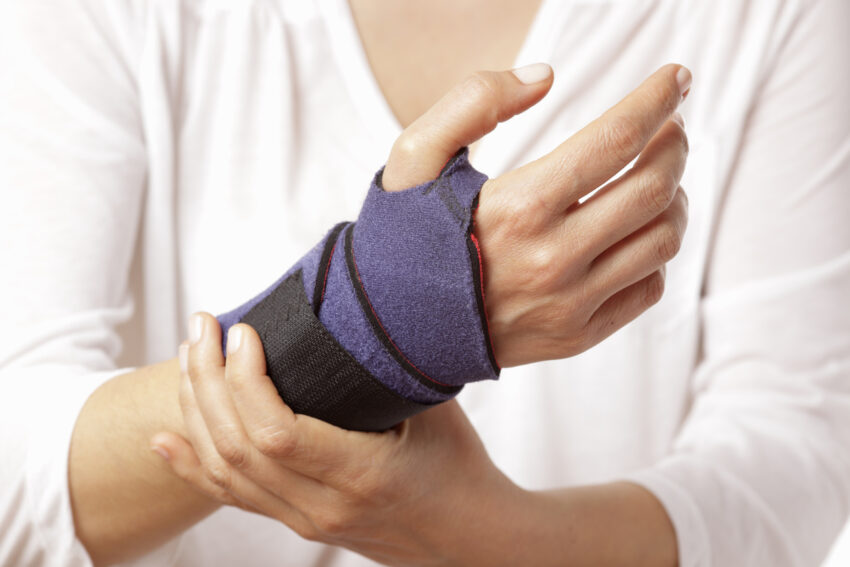
Carpal Tunnel Syndrome and Cubital Tunnel Syndrome: How Hand and Nerve Injuries Affect Alabama Workers’ Compensation and Social Security Disability Claims
If your hands constantly go numb, you drop tools at work, or you wake up every night with burning pain in your fingers, you may be suffering from Carpal Tunnel Syndrome (CTS) or Cubital Tunnel Syndrome (CuTS).
These conditions are among the most common repetitive-use injuries seen in Alabama workers. They frequently affect assembly line workers, mechanics, construction workers, healthcare workers, office employees, truck drivers, and anyone whose job requires repetitive hand or arm movements.
Unfortunately, many injured workers are told:
“It’s just arthritis.”
“You’re getting older.”
“Take some ibuprofen and keep working.”
The reality is that these conditions often become permanent if they are not properly treated.
At Powell & Denny, P.C., we help injured Alabama workers pursue both Workers’ Compensation benefits and, when appropriate, Social Security Disability benefits resulting from these serious nerve injuries.
Recommended Readings: Repetitive Use Injuries: When Years of Doing the Same Job Become a Disability
What Is Carpal Tunnel Syndrome?
Carpal Tunnel Syndrome occurs when the median nerve becomes compressed as it passes through a narrow passageway in the wrist called the carpal tunnel.
The median nerve controls sensation to the:
- Thumb
- Index finger
- Middle finger
- Part of the ring finger
It also controls several muscles used for gripping and pinching.
As pressure builds inside the wrist, the nerve begins to malfunction.
Common symptoms include:
- Numbness
- Tingling
- Burning pain
- Hand weakness
- Difficulty gripping tools
- Frequently dropping objects
- Symptoms that worsen at night
As the condition progresses, permanent nerve damage may occur.
Recommended Reading: How Grip Strength Affects your Alabama Workers’ Compensation and Social Security Disability Claim
Recommended Reading: How Hand Injuries Affect your Alabama Workers’ Comepensation and Social Security Disability Claim
What Is Cubital Tunnel Syndrome?
Cubital Tunnel Syndrome affects a different nerve—the ulnar nerve.
This nerve passes behind the elbow through the “funny bone” area.
When compressed, patients often experience:
- Numbness in the little finger
- Ring finger numbness
- Pain along the inside of the elbow
- Weak grip strength
- Loss of fine motor control
- Hand muscle wasting in severe cases
Many patients notice symptoms after:
- Repeated bending of the elbow
- Leaning on the elbow
- Long periods of driving
- Heavy repetitive lifting
Recommended Reading: How Permanent Nerve Injuries Affect your Workers Compensation and Disability Claim
Which Jobs Commonly Cause These Injuries?
These nerve injuries frequently develop over months or years because of repetitive work activities.
Common occupations include:
- Manufacturing
- Poultry processing
- Automotive assembly
- Construction
- Welding
- Carpentry
- Nursing
- Dental hygienists
- Mechanics
- Office workers
- Data entry
- Cashiers
- Truck drivers
- Warehouse workers
Workers often believe there must be one specific accident to qualify for workers’ compensation.
That is not true.
Many repetitive trauma injuries are compensable under Alabama law when medical evidence establishes that the job caused or significantly contributed to the condition.
Symptoms You Should Never Ignore
Early treatment often leads to much better outcomes.
Warning signs include:
- Hands “falling asleep”
- Tingling while driving
- Nighttime numbness
- Burning pain
- Weak grip
- Difficulty buttoning shirts
- Trouble opening jars
- Dropping tools
- Loss of finger coordination
When symptoms begin interfering with work, they should be evaluated promptly.
How Are These Conditions Diagnosed?
Diagnosis usually involves:
Medical History
Your physician will ask about:
- Job duties
- Repetitive activities
- Symptoms
- Nighttime pain
- Weakness
Physical Examination
Your physician may perform:
- Tinel’s Test
- Phalen’s Test
- Elbow flexion testing
- Grip strength testing
- Muscle strength examination
EMG and Nerve Conduction Studies
These tests measure:
- Nerve speed
- Electrical function
- Severity of compression
These studies are often critical in confirming the diagnosis.
Treatment Options
Treatment depends on severity.
Conservative treatment may include:
- Wrist splints
- Elbow braces
- Anti-inflammatory medications
- Activity modification
- Physical therapy
- Occupational therapy
- Cortisone injections
When conservative treatment fails, surgery may be necessary.
Common surgeries include: Carpal Tunnel Release, where the ligament compressing the median nerve is divided to relieve pressure.
Cubital Tunnel Release
The ulnar nerve is decompressed and sometimes moved to a safer location around the elbow.
Many patients improve significantly after surgery, although recovery can take months.
Can You Receive Alabama Workers’ Compensation Benefits?
Yes.
If your repetitive work activities caused or significantly contributed to the development of Carpal Tunnel Syndrome or Cubital Tunnel Syndrome, you may be entitled to benefits including:
- Authorized medical treatment
- Surgery
- Physical therapy
- Mileage reimbursement
- Temporary Total Disability (TTD)
- Permanent Partial Disability (PPD)
- Permanent Total Disability (PTD), in appropriate cases
- Vocational rehabilitation in some circumstances
Insurance companies frequently dispute repetitive trauma claims.
They may argue:
- The condition is age-related.
- It resulted from hobbies.
- It was pre-existing.
- It was caused by diabetes or another medical condition.
Strong medical evidence is often essential to proving that your work substantially contributed to your condition.
Recommended Reading: What does “Authorized Medical Treatment” mean?
Can These Conditions Qualify for Social Security Disability?
Sometimes.
Many people recover after surgery, and others do not.
Social Security evaluates:
- Grip strength
- Fine motor ability
- Ability to type
- Ability to write
- Lifting restrictions
- Ability to use both hands throughout an eight-hour workday
Individuals who cannot perform sustained work activities because of severe nerve damage, chronic pain, weakness, or loss of dexterity may qualify for disability benefits, particularly when combined with other medical conditions.
Recommended Reading: How Limitations in Your Ability to Handle, Finger, Reach and Feel Affects your Alabama Workers’ Compensation and Social Security Disability Claim
Why Early Medical Treatment Matters
Waiting too long can result in:
- Permanent nerve damage
- Muscle atrophy
- Loss of hand strength
- Permanent numbness
- Poor surgical outcomes
Earlier diagnosis often improves recovery and may strengthen your workers’ compensation claim by documenting the condition before it becomes more severe.
At Powell & Denny, we have represented injured and disabled workers throughout Alabama for more than 30 years. We understand that serious claims are rarely decided by several factors other than your diagnoses alone. They are decided by how the injury affects the person’s ability to function, work, and earn a living.
If you have questions about an Alabama Workers’ Compensation claim, or a claim for Social Security Disability benefits, don’t hesitate to contact the experienced attorneys at Powell and Denny today a free consultation; remember. Virtual appointments are available through Zoom so you can meet with one of the attorneys of Powell and Denny from wherever you live, and remember-there is no fee unless you win.
Powell & Denny: We Work When You Can’t.
Offices in Birmingham, Alabama and Huntsville, AL
Recommended Reading: Your Restrictions are More Important than Your Diagnoses
We Wrote the Book
My Alabama Disability Claim by William Powell & Gregory Denny Click Here to Get Your Free Copy


-
 5.0/5.0
A++++++ got results and staff is friendly
-
5.0/5.0
A++++++ got results and staff is friendly
-
5.0/5.0
Persevering for 2-3 years to get my disability. Thank You.
-
5.0/5.0
Persevering for 2-3 years to get my disability. Thank You.
-
 5.0/5.0
William Powell is an excellent attorney and a leader in our local bar.
